NEWS & EVENTS
Become a SKL Team Leader for your city/country
and help create events that bring people together (scroll down to bottom and send us a message).
Start Your Application
Sign up through Facebook or, sign up with email
Get the SKL Newsletter for Free!
Sign up today to get weekly emails with tips, tutorials, gear reviews, studio tours, interviews
& alerts about great deals on all things audio.

THE ROAD TO SUCCESS
What are those qualities found in the exemplar music educators that result in a life-changing experience for students? Through their curricula and practice teaching, collegiate programs do a good job of preparing teachers. The graduates of these programs understand the basics of pedagogy and musicianship. Yet, the great music educators have that “something extra” which goes beyond the material and concepts covered in school. It is that “essence” which empowers the Native American music educator to have a profound impact on students, inspiring them to succeed not only in music but in life. Students who study music stay in school and demonstrate higher GRADUATION rates than those who do not.

The evidence is broad and deep that music learning improves a student’s academic achievement. But the best programs even further strengthen test scores and grades, and lay the groundwork for success in professional life following school.
Behind each and every outstanding program is an outstanding teacher. What is it then that stands apart the model music educator? Such an educator:
1) Believes in him/herself as someone who can make a difference
2) Is inspired, passionate, AND persuasive
3) Is primarily interested in the PEOPLE s/he is teaching and working with
4) Is able to make personal connections
5) Is a music missionary How can I, as a music teacher, create, revive, or invigorate a program than can reach my students, help grow them, and increase the likelihood that they will graduate? I should:
1) Investigate and determine whom I am serving. I need to make a sensitive and strategic assessment to learn what music-making modalities already strongly live in the community. It is important to consider what kinds of music-making might engage or be interesting to this body of students. I must remain open to a variety of musical styles and genres.
2) Perform an honest self-evaluation of my unique special interests, biases, and skills. I should consider all possibilities, be willing to free myself from a particular approach to music-making and embrace what may already exist in the community.
3) Develop ethical but real personal connections with the students. It is personal relationships that allow me to grow as a human being and to succeed as a music teacher.
4) Develop relationships with colleagues, administrators, parents, and citizens in the community
5) Become a well-informed, compelling advocate for music educations, able to motivate and persuade stakeholders of the core value of the music program
6) Become a dynamic and determined fundraiser, equipped to generate significant resources to advance the programmatic mission.
DEVELOPING PERSONAL CONNECTIONS WITH STUDENTS
To be the most effective role model and mentor for your students, you can use a few simple techniques. First, you need to get to know your students. Then, throughout the year, you need to cultivate their trust and develop their leadership.
The key to success is you. We all want success. Success for ourselves, our programs, and most of all, for our students. We want to reach the highest graduation and attendance rates. We want to help our students have the highest in social, emotional and intellectual capacities and the highest levels of citizenship. We want our students to have a lifelong relationship with music. And we want them to have the grounding in music that will help them achieve in life.
For each of us to evolve from good music teachers to great music teachers, we need to build success on the pillars of trust: honesty, integrity, dignity, ethics, and sensitivity. Developing quality relationships is the bridge to guarantee success.
 GET TO KNOW YOUR STUDENTS
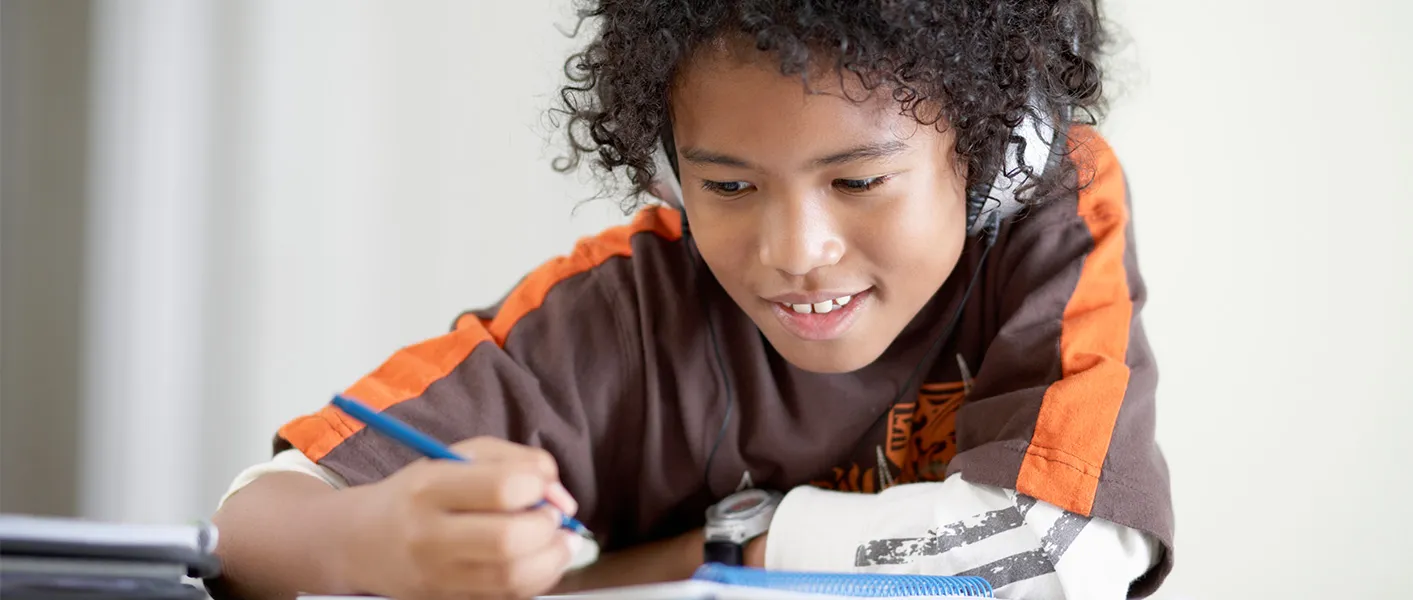
1. Within the first day or two of school, ask your students to complete an information form. This will help you learn more about your students – particularly those who may be new to the music program. Create questions that you think would be of interest to your students. (You can use the following Student Information form for this purpose.)
2. Learn the names of your new students. Try to greet each of them by name as soon as possible.
3. Within the first week, give each student a 3 x 5 card on which to list goals for the school year. Tell students to put general goals on one side of the card and musical goals on the reverse side. Some students may want to perform in solo and ensemble festival, others just to improve their skills. Beginners may simply want to learn a specific instrument. The key is to engage the students in the learning process.
4. Within the first week, plan activities that will help students get to know each other. For example, pair off students in groups of two thereby creating a set of partnerships. Encourage students to learn as much as possible about their partners. Invite the students to introduce each other to the rest of the class. This activity will not only help the students to learn about their fellow classmates, but will also help the educator learn more about each student
